Blog
Tact Switch Housing Materials for High Temperatures: Selection and Thermal Aging

High-Temperature Tact Switch Housing Materials: Selection and Thermal Aging Explained
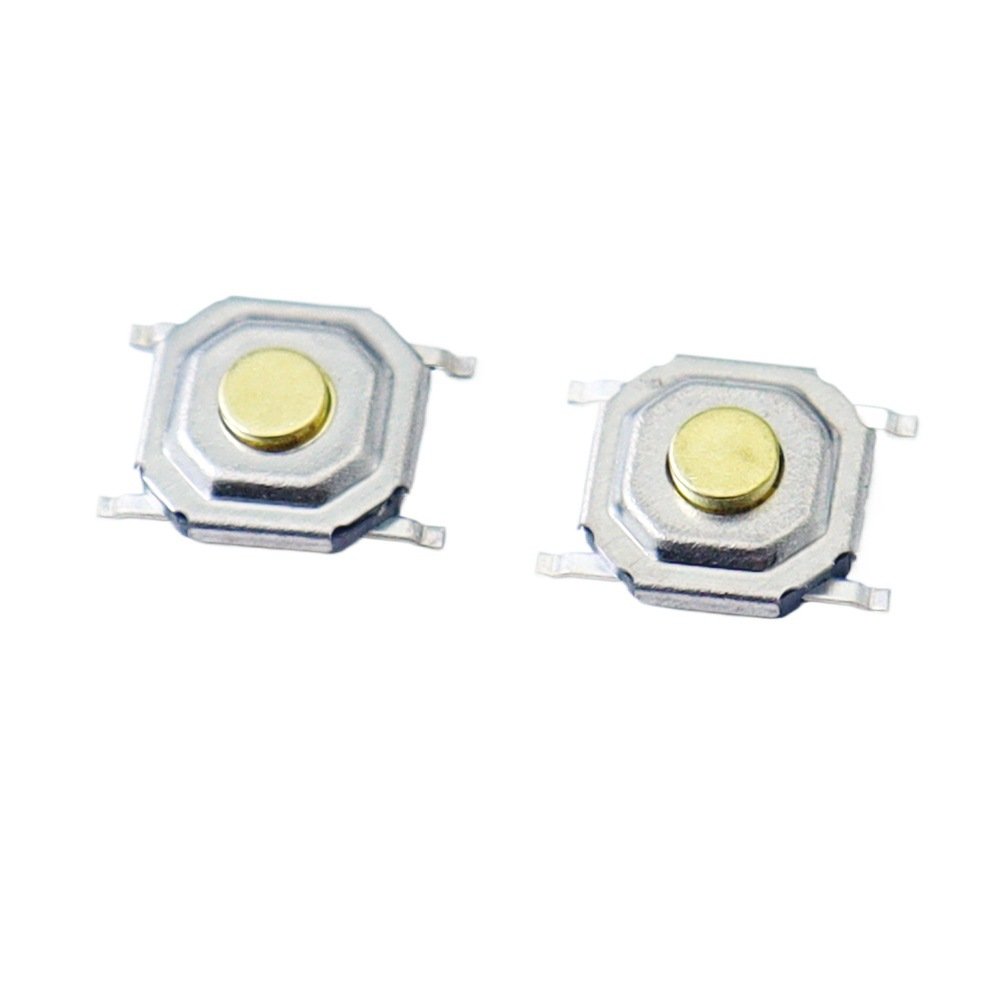
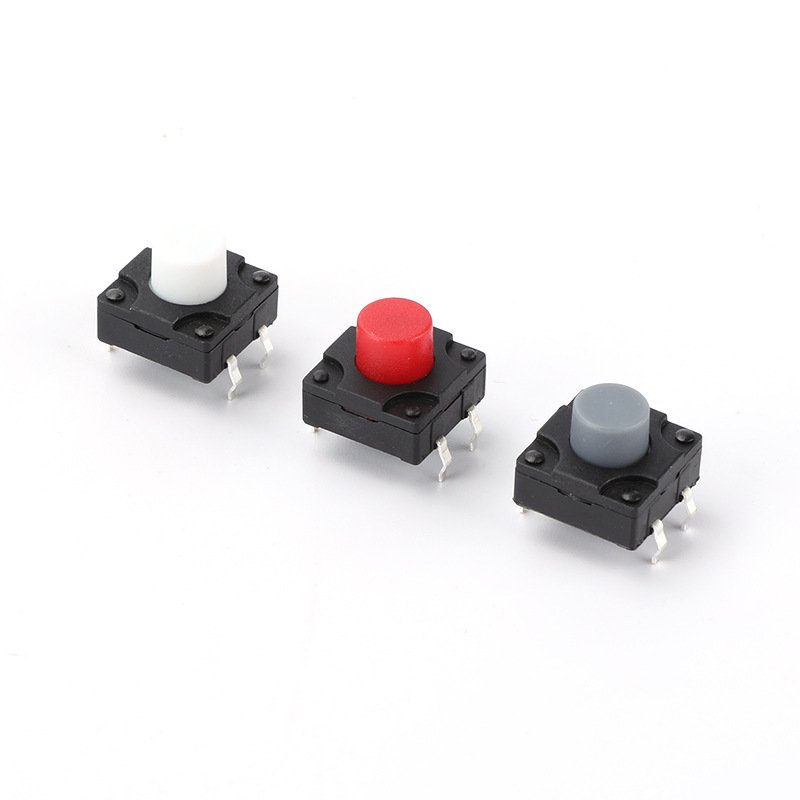
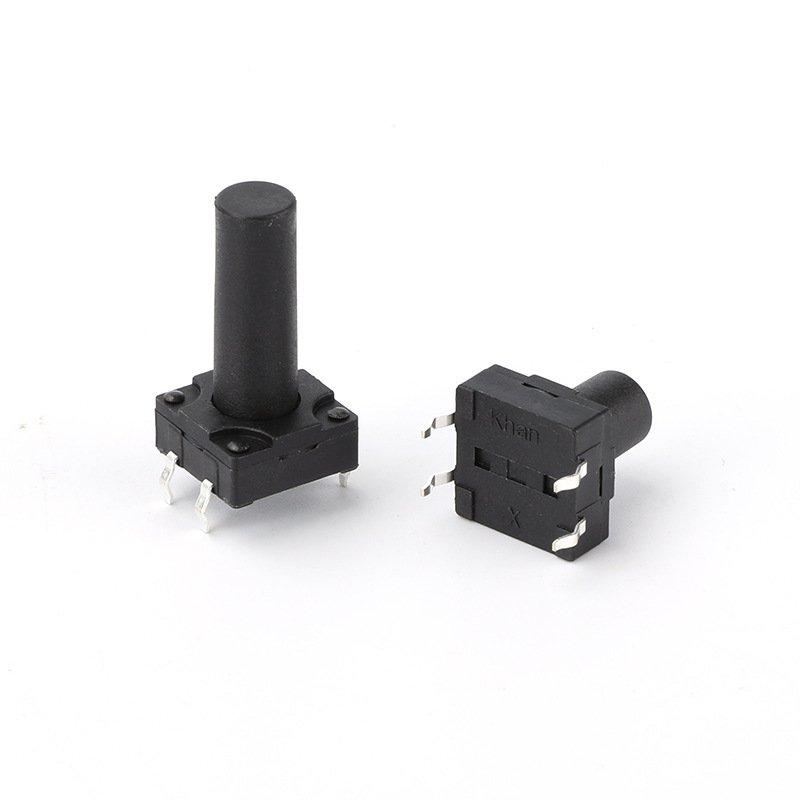
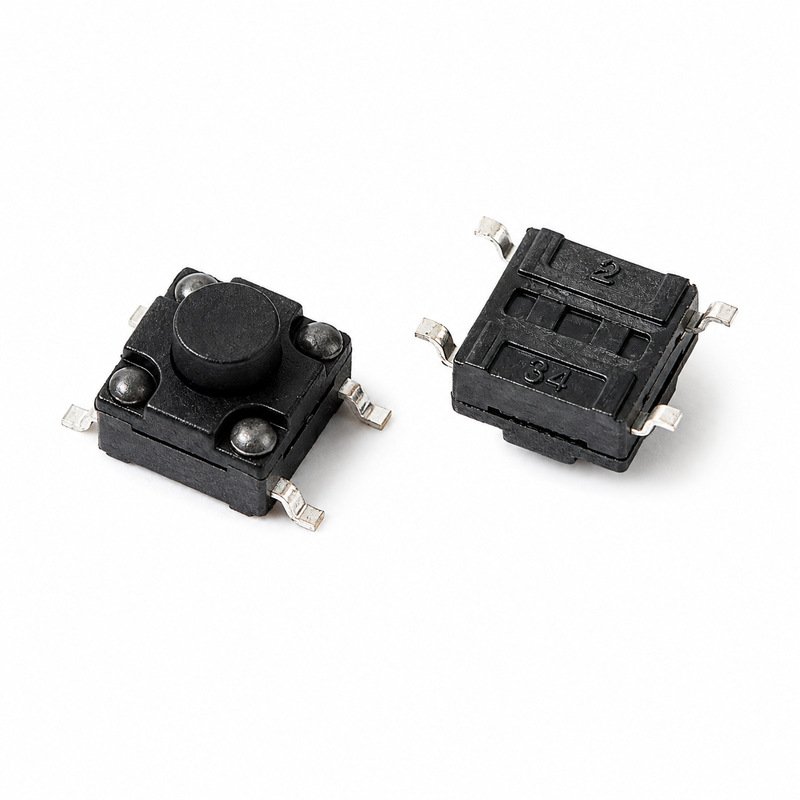
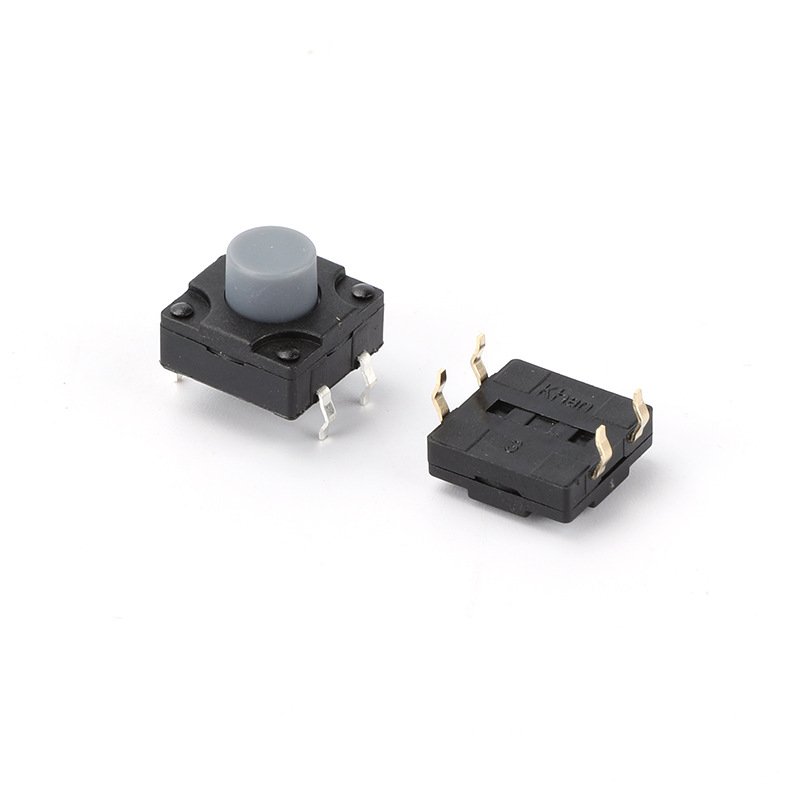
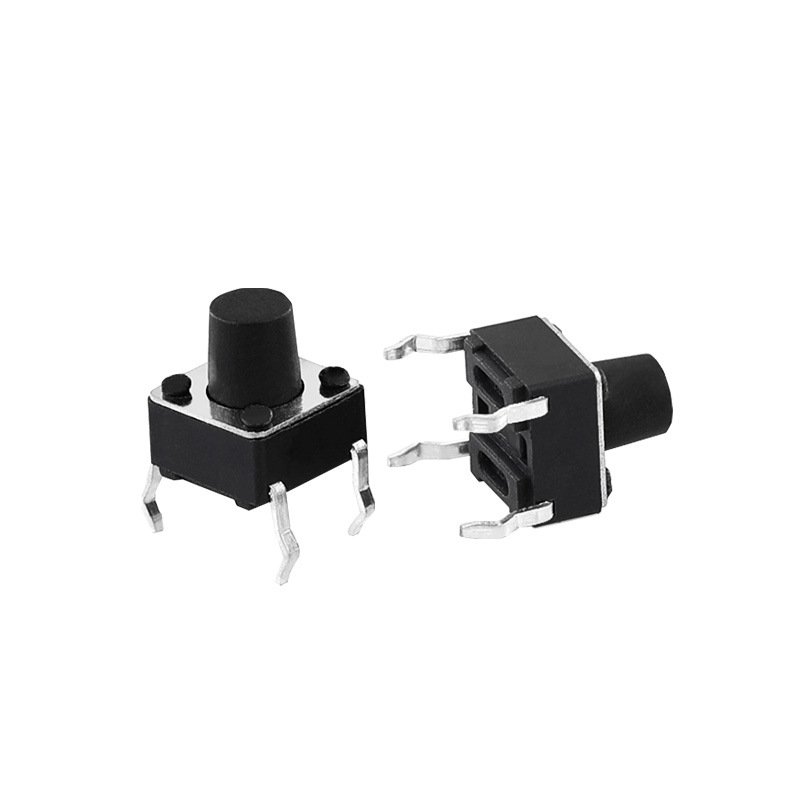
Choosing the right housing material for a tact switch is critical in modern electronics. A tactile switch offers a compact size, a crisp tactile feel, and flexible mounting. As a result, it is widely used in consumer electronics, automotive systems, industrial controls, and medical devices. However, hot, humid, or high-power environments make material choice a core reliability issue. Thermal aging behavior matters just as much. Therefore, this guide explains how to select housing materials for hot environments. It also compares common heat-resistant plastics and analyzes aging risks with real-world cases.
01. Why High-Temperature Applications Demand More from a Tact Switch
Compared with room-temperature use, several typical scenarios push housing materials much harder:
- Automotive cabin electronics: summer interior temperatures can reach 85°C or even 100°C, with UV exposure added on top.
- High-power industrial modules: nearby components may run at 70–120°C for long periods.
- LED lighting and heating-appliance panels: housings must resist heat without deforming.
- Outdoor waterproof devices: besides heat, UV aging and humidity stability also matter.
Heat affects a tactile switch in four main ways. First, it tests the heat deflection temperature (HDT) of the housing. Second, long-term thermal aging reduces mechanical strength. Third, dimensional change can jam the internal actuator and cause sticking. Finally, insulation may degrade, raising leakage or even carbonization risks.
02. Common Housing Materials and How They Compare
Most tact switch housings use thermoplastic resins that support injection molding. The table below summarizes the mainstream options:
| Material | Typical Grade | Heat Resistance | Key Traits |
|---|---|---|---|
| PA66 (Nylon 66) | Glass-fiber reinforced | 120–150°C continuous | High mechanical strength; noticeable water absorption; needs size control |
| PBT (Polybutylene Terephthalate) | GF30 | About 120°C continuous | Good electrical insulation; stable heat performance |
| LCP (Liquid Crystal Polymer) | — | 180–200°C continuous | High-end use; excellent dimensional stability |
| PPS (Polyphenylene Sulfide) | — | About 200°C continuous | Excellent heat and chemical stability; higher cost |
| PEEK (Polyether Ether Ketone) | — | Up to 250°C continuous | Premium custom use, such as military and medical |
| PC (Polycarbonate) | — | About 115°C continuous | Easy to process; average heat resistance; mostly room-temperature use |
2.1 PA66
PA66 is a common housing material. Adding 30% glass fiber greatly improves heat resistance and dimensional stability. However, its water absorption is relatively high, so sealed structure design is required to manage swelling.
2.2 PBT
PBT offers strong electrical insulation and low molding shrinkage. Its thermal aging resistance also beats ordinary PA. Therefore, it suits switches that need mid-range heat endurance and reliable insulation.
2.3 LCP
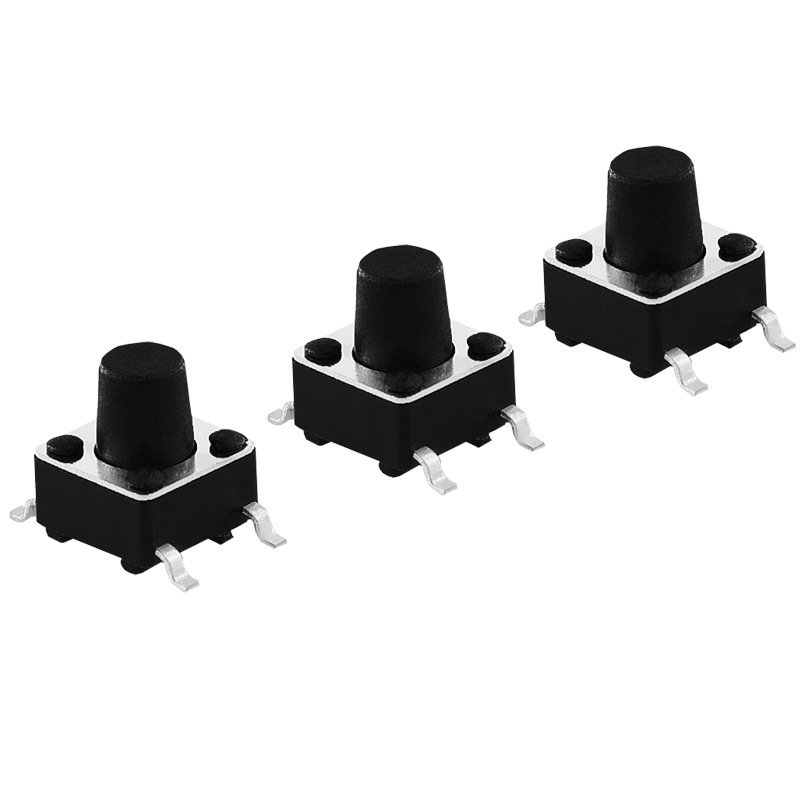
LCP provides naturally high heat resistance, low warpage, and excellent dimensional precision. It is ideal for ultra-small SMD tactile switch products, especially those that must survive 260°C reflow soldering.
2.4 PPS and PEEK
These premium resins serve military, aerospace, and medical projects with extreme temperature demands. Their mechanical performance is outstanding, but the price is high, so they usually appear in special low-volume products.
03. Thermal Aging Mechanisms and Performance Risks
Initial heat ratings are not enough. Long-term aging also degrades materials over time.
3.1 Failure Mechanisms
- Polymer chain scission: heat accelerates molecular degradation, lowering strength and hardness.
- Oxidative degradation: oxygen reaction at high temperature creates micro-cracks and brittleness.
- Interface separation: in glass-fiber grades, different expansion coefficients can cause delamination after thermal cycling.
3.2 Key Indicators to Watch
Engineering teams should track several test metrics. These include mechanical strength retention after 1000h at 120°C. Insulation resistance under 85°C/85%RH conditions is another key figure. In addition, warpage after aging must stay within limits. For example, a PA66-GF30 housing can retain over 80% of its flexural strength after 1000 hours at 125°C. This meets long-life automotive requirements.
04. Two Real-World Cases
Case 1: Automotive Climate-Control Panel
A dashboard surface can hit 85–100°C in summer, so the housing must not warp and the feel must stay consistent. The customer chose PA66 plus 30% glass fiber. Compared with plain PA66, the reinforced grade suppressed thermal expansion and warpage. Combined with high-temperature soldering of the dome and PCB, overall life improved by about 30%.
Case 2: Medical Device with Steam Sterilization
Some detachable medical enclosures must survive 121°C steam sterilization. The customer replaced ordinary PC with LCP. LCP withstands 200°C, absorbs very little water, and keeps dimensions extremely stable. This prevented internal contact failure caused by heat and humidity.
05. Don’t Forget the Internals: Dome, Plating, and Resin
Housing choice is only part of the story. Internal parts also face the same heat:
- LED encapsulation: illuminated models need heat-resistant solder joints and optical resin, or reflow soldering may cause yellowing.
- Dome material: SUS301/SUS304 stainless steel or phosphor bronze domes must keep good elastic recovery at 125–150°C to prevent creep relaxation and fading tactile feel.
- Contact plating: silver or gold plating must resist migration and oxidation at high temperature.
06. Practical Design Recommendations for Hot Environments
- Select a suitable heat-resistant resin, using glass fiber, LCP, or PPS to raise the ceiling.
- Run thermal aging tests early so molded parts neither crack nor warp.
- Match expansion coefficients between metal parts and plastic housings to avoid loosening.
- Apply proper sealing to reduce combined heat and humidity attack.
- Sample aged parts from production batches and keep traceable batch records.
07. Conclusion
As devices face hotter and denser packaging, B2B buyers pay growing attention to the reliability of every tactile switch. Heat resistance, thermal aging behavior, and dimensional stability of the housing directly determine long-term product performance. Moreover, material selection is never just a cost decision. For manufacturers and designers, the smart move is to discuss requirements with suppliers early. Match high-performance plastics with the right metal parts, and back every choice with solid validation. That is how reliable, consistent tact switch solutions reach downstream customers.
See our Tact Switch contact resistance guide for related electrical checks.
Our Tactile Switch SMD-0603 datasheet covers reflow details.