Blog
What Is a Tact Switch? Features, Working Principles and Typical Applications

Why the Tact Switch Matters Today
Modern devices are getting smaller. Therefore, they need tiny parts. A Tact Switch fits this need perfectly. It is small, sensitive and very durable. Moreover, it responds with a light touch. As a result, users enjoy smooth control.
Many designers feel confused about switches. However, the tact switch is easy to understand. In addition, it saves space and cost. Consequently, it appears in most electronics. For this reason, learning it helps your projects.
What Is a Tact Switch?
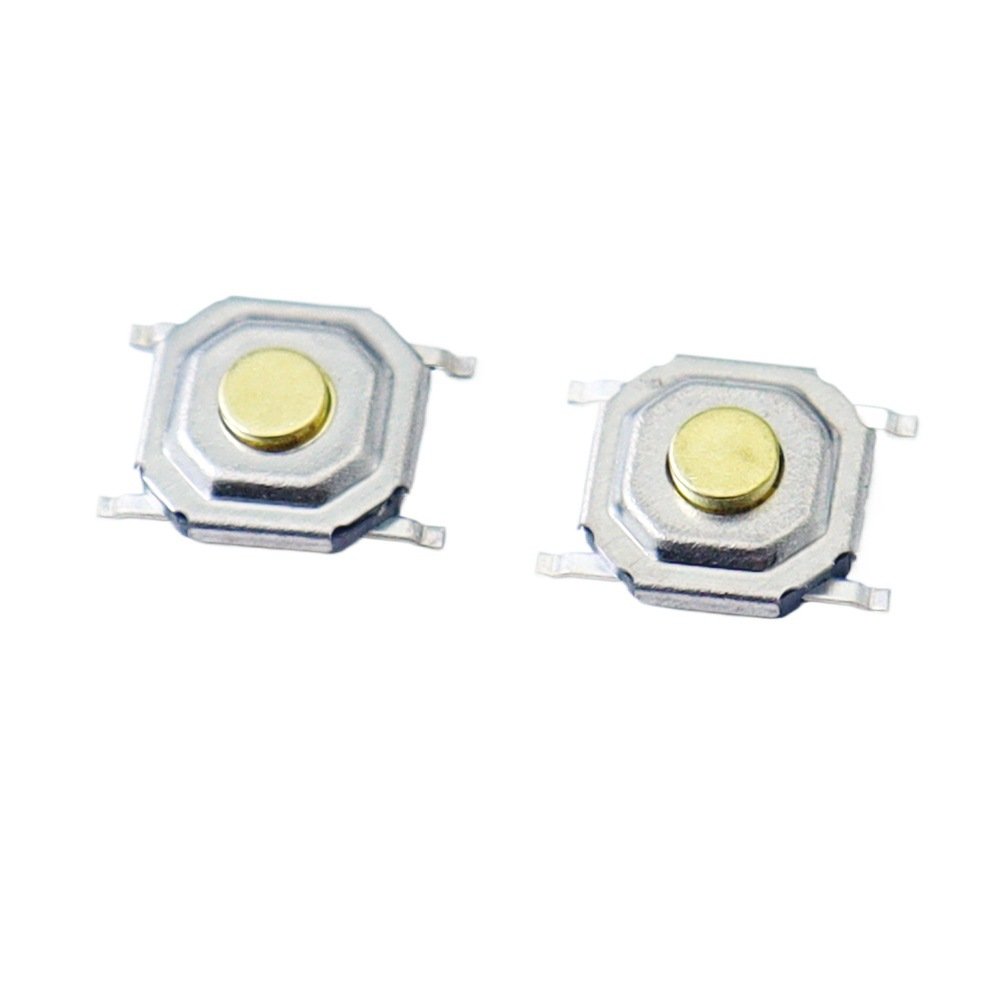
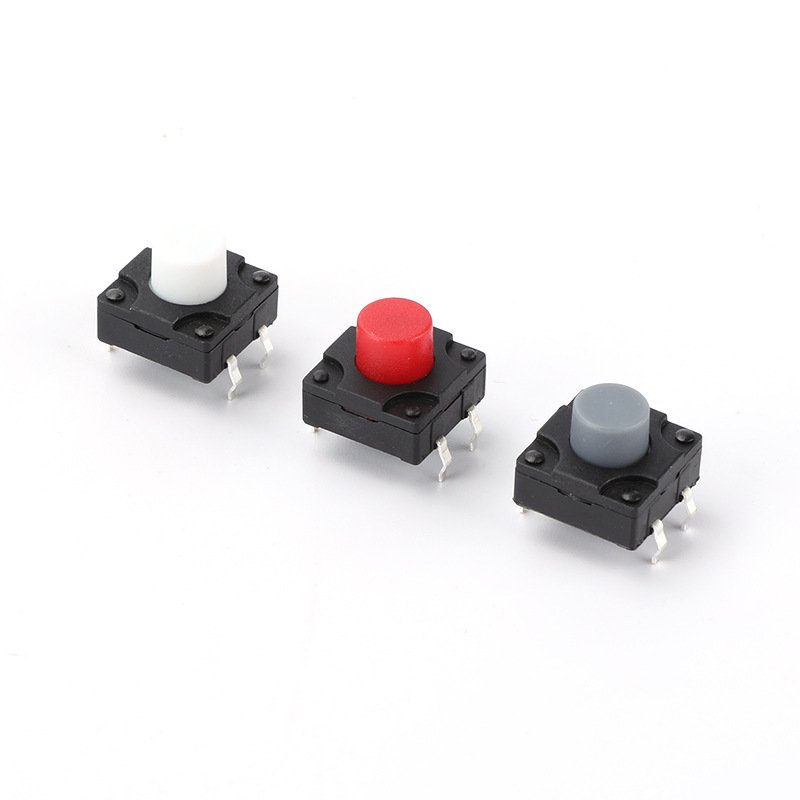
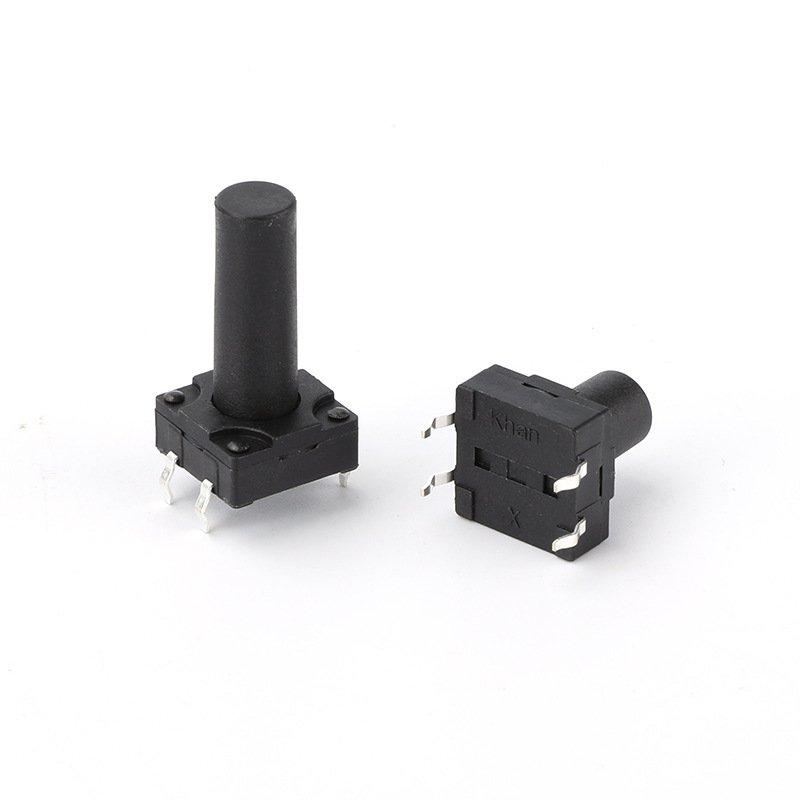
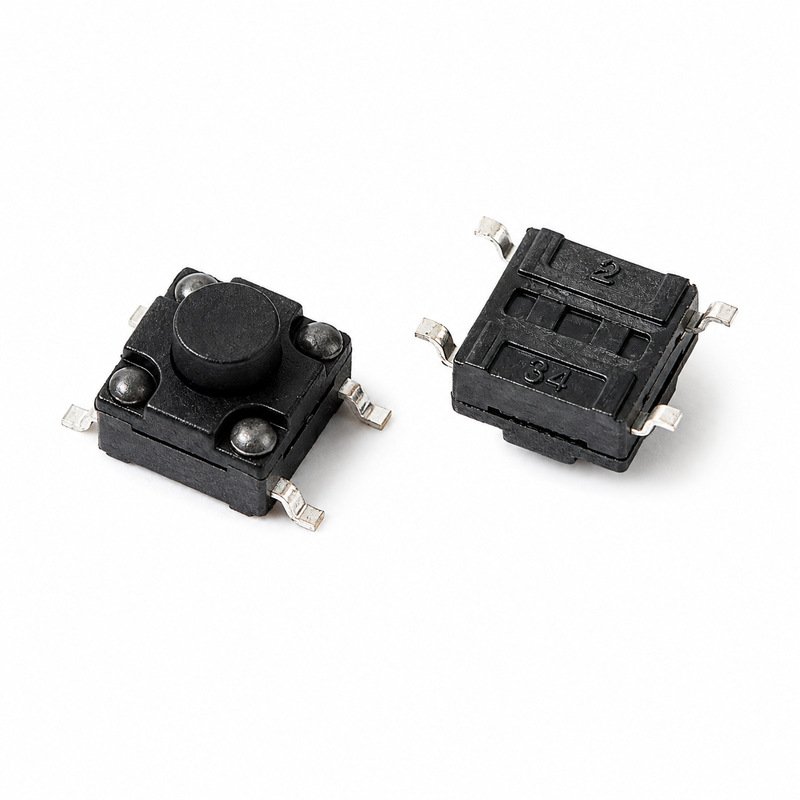
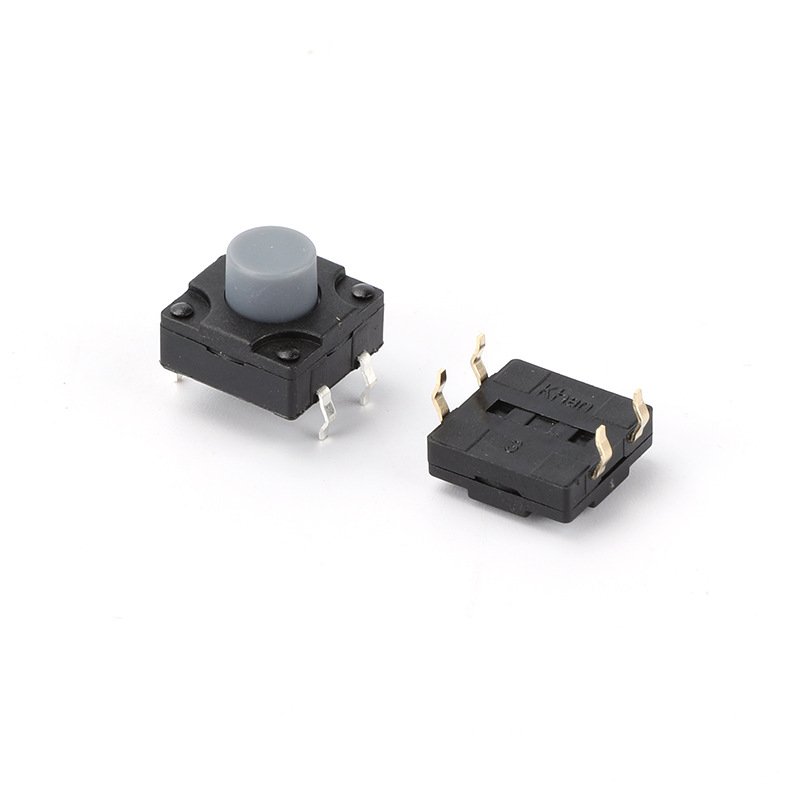
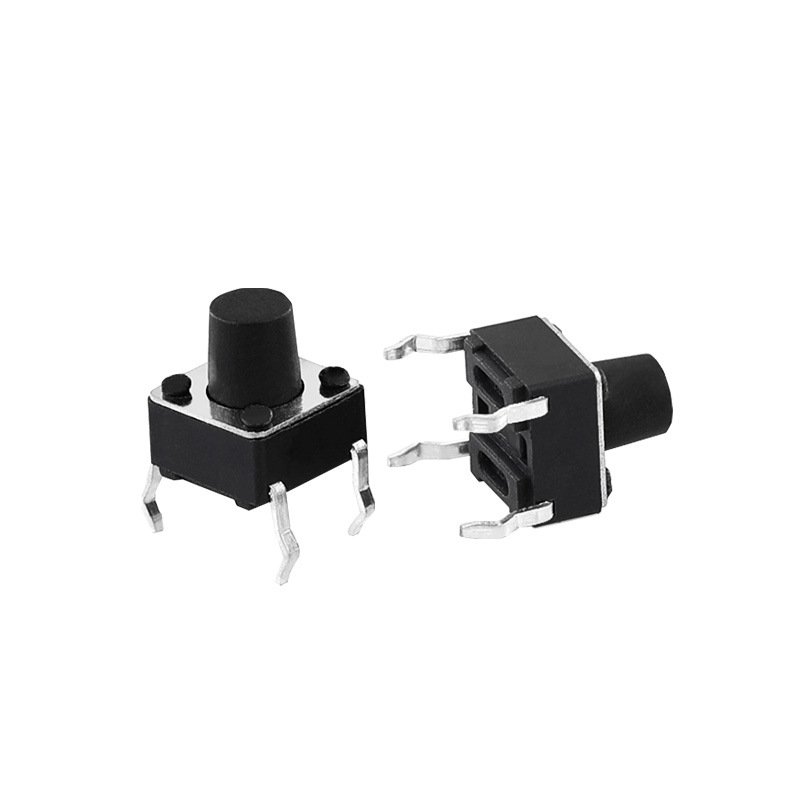
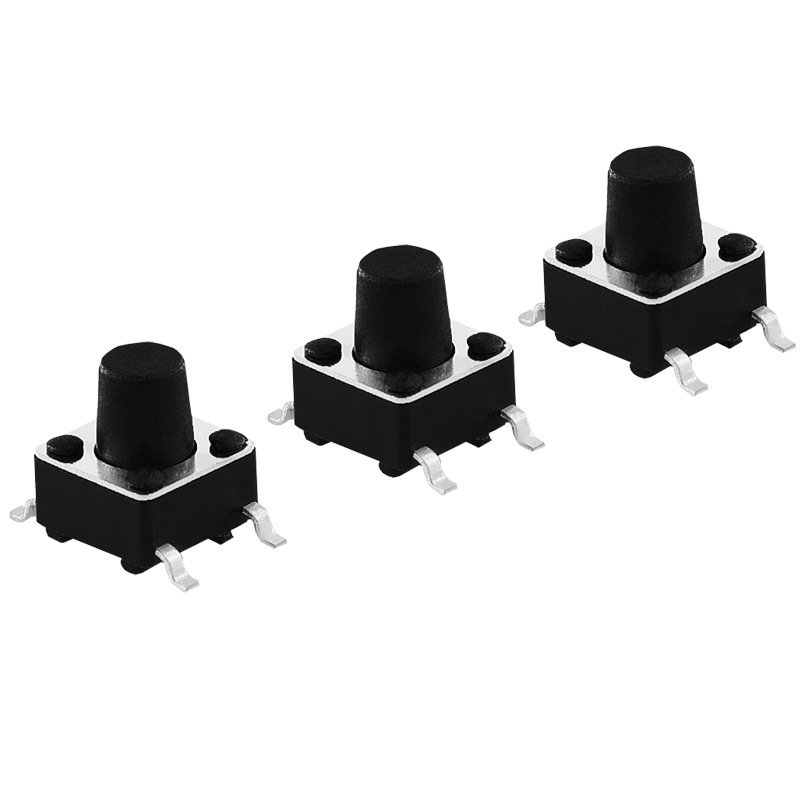
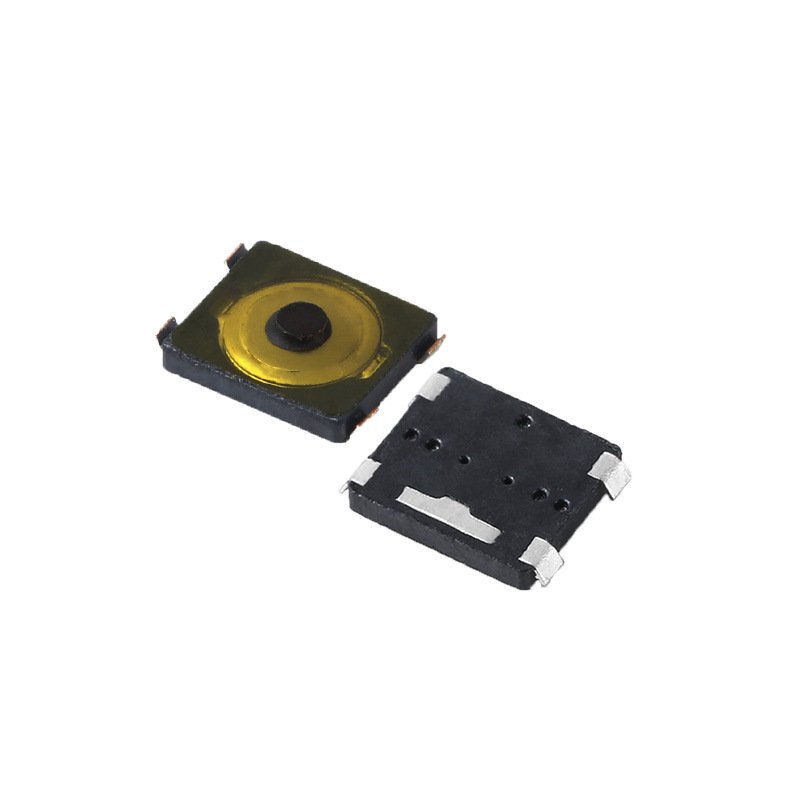
A tact switch is a miniature electronic part. Also called a touch switch, it works with light pressure. When you press it, the circuit opens or closes at once. Therefore, no strong force is needed. In contrast, old switches need hard pushing. As a result, the tact switch feels effortless.
Inside, it has six small parts. First, there is an insert. Next, an insulating base holds it. Moreover, a metal shrapnel carries the current. Finally, a cover seals the unit. Consequently, dust stays outside. Because of this, the switch stays reliable for years.
Core Features of the Tact Switch
This part has five clear strengths. Therefore, it replaced many older switches. Let us review each one below.
1. Ultra-Sensitive Triggering
The tact switch needs only a light touch. Therefore, users press it with ease. Moreover, it avoids hard clicking. As a result, frequent use feels comfortable. For daily buttons, this is a big plus.
2. Long Service Life
Cheap switches wear out fast. However, quality tact switches last longer. Specifically, they reach hundreds of thousands of cycles. Consequently, repairs drop. In addition, costs go down over time. Thus, they suit busy devices.
3. Instant Response
The metal shrapnel acts fast. Therefore, switching is immediate. Moreover, there is no delay. As a result, feedback feels sharp. Because of this, equipment runs more efficiently.
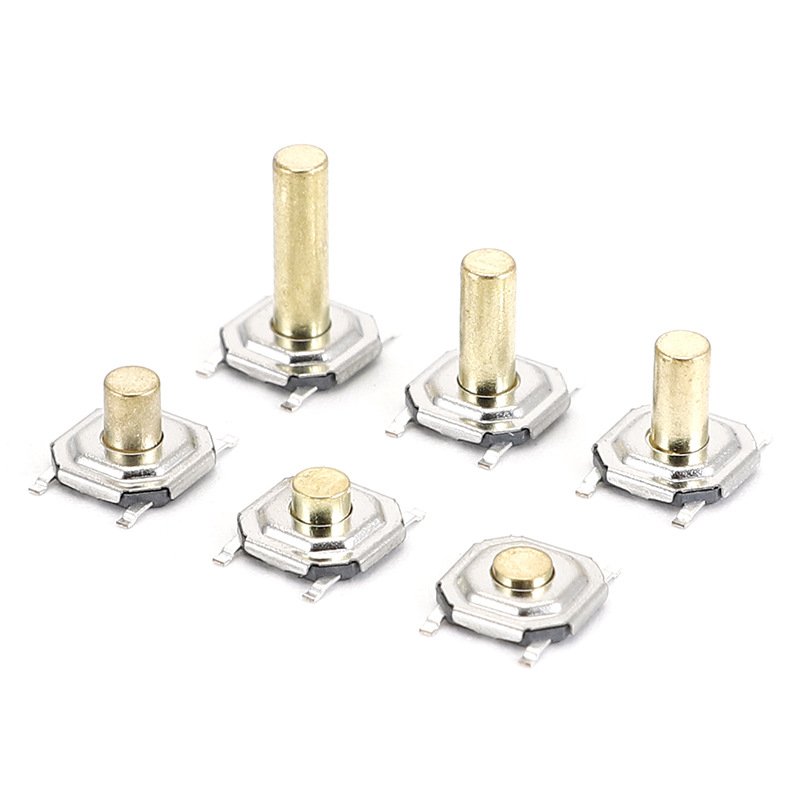
4. Miniature Size
These switches are very small. Therefore, they fit tight spaces. In addition, they install with ease. Consequently, product design stays slim. For this reason, phones and remotes use them.
5. High-Quality Materials
Good models use strong plastic. Moreover, the metal is fatigue-resistant. As a result, they resist corrosion. Furthermore, they age slowly. Therefore, performance stays steady for years.
Main Application Scenarios of the Tact Switch
Because of these strengths, the switch spreads widely. First, it enters smart homes. Next, it powers consumer gadgets. Finally, it serves cars. Let us look closer.
Smart Home and Security
Smart lights use tact switches for timing. Moreover, air conditioners use them for remote control. In addition, alarms use them for one-key triggers. Consequently, homes become safer. Therefore, security devices rely on them.
Consumer Electronics
Phones use them to wake screens. Meanwhile, tablets use them for volume. Furthermore, speakers use them for play and pause. As a result, control feels quick. Because of this, users stay happy.
Automotive Electronics
Cars use many tact switches inside. For example, climate panels use them. Likewise, window buttons use them. Moreover, ambient lights use them for dimming. Consequently, driving feels modern. In addition, night safety improves. To explore more parts, visit our Tact Switch product range.
Conclusion
To sum up, the tact switch is a smart choice. First, it is sensitive. Next, it is small. Then, it lasts long. Finally, it responds fast. As a result, it fits modern devices well. Moreover, it lowers upkeep costs. Therefore, engineers pick it often. For any project needing light-touch control, this switch delivers strong value.
FAQ
Q1: What is a tact switch used for?
It controls circuits in electronics. Therefore, it appears in homes, phones and cars. Moreover, it handles frequent, light-touch commands with ease.
Q2: How is it different from a traditional switch?
Old switches need hard force. In contrast, the tact switch needs only a touch. Furthermore, it is smaller and lasts longer. Consequently, it suits smart devices.
Q3: How long does a tact switch last?
Good models reach hundreds of thousands of cycles. Therefore, they support long use. Moreover, quality materials extend this further. As a result, failures stay rare.
Q4: Where are tact switches most common?
They appear in smart homes, mobiles, audio gear and car panels. In addition, they fit any device needing frequent, sensitive buttons. Therefore, their use keeps growing.