Blog
Tact Switch Selection Guide: 5 Core Dimensions for Industrial & Commercial Procurement

Tact Switch Selection Guide: 5 Core Dimensions for Industrial & Commercial Procurement
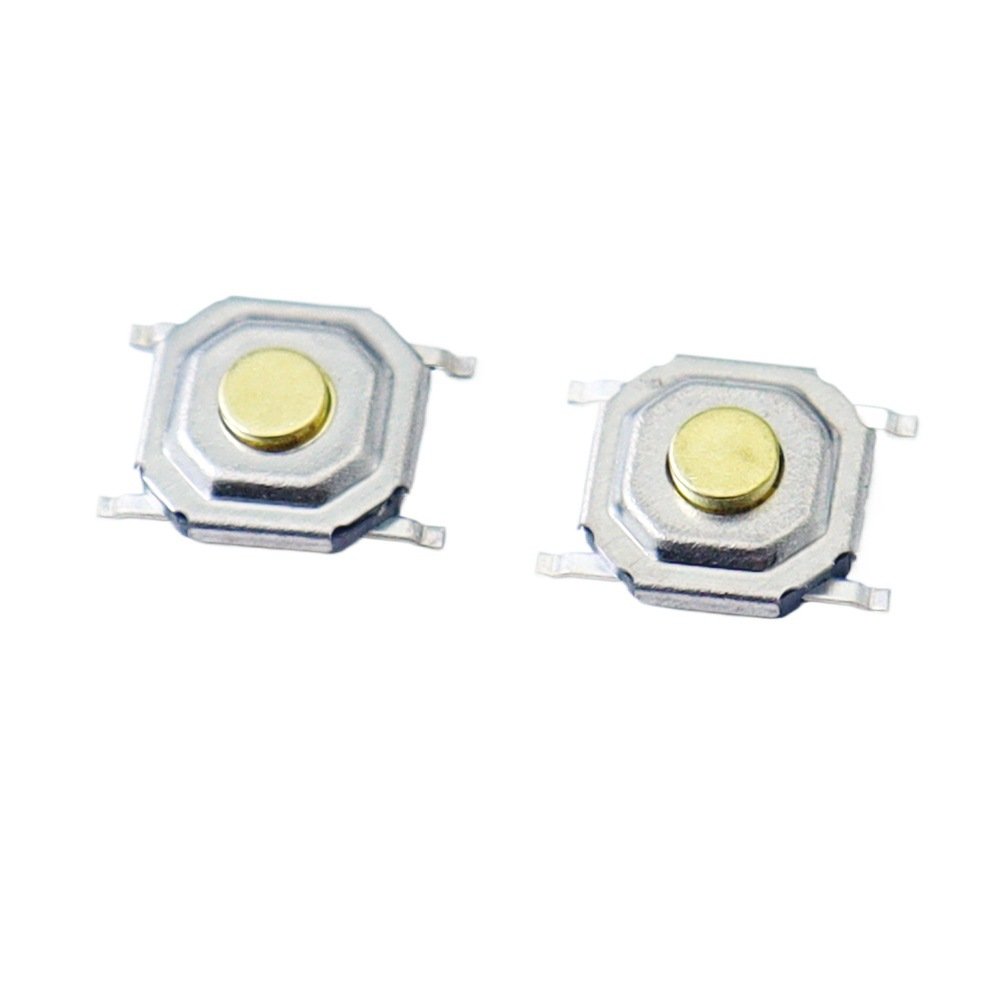
A Tact Switch is a key electronic input part in wearables, office equipment, instruments, and control systems. However, choosing the right one is hard because of market information gaps. This guide builds a five-dimensional framework to help engineers buy accurately, cost-effectively, and safely.
Five Core Dimensions of Tact Switch Selection
Selection relies on five core dimensions. First, contact resistance governs signal accuracy. Lower resistance reduces signal loss and intermittent failure, so it improves circuit reliability. Standard models are stable, while high-precision versions support ultra-low resistance for premium equipment.
Second, waterproof rating ranges from IP40 dustproof to industrial IP67 and IP68. Advanced thin-film sealing beats traditional rubber and resists heat and chemicals. Third, service life runs from 100,000 cycles for consumer use to 10 million for industrial high-frequency use. Fourth, MOQ and lead time affect scheduling; many international brands need 6–12 weeks, while flexible domestic makers support small batches and fast delivery. Finally, cost performance matters for mass buying, and reliable domestic options cut total cost while meeting standards.
Tact Switch Parameters by Application Scenario
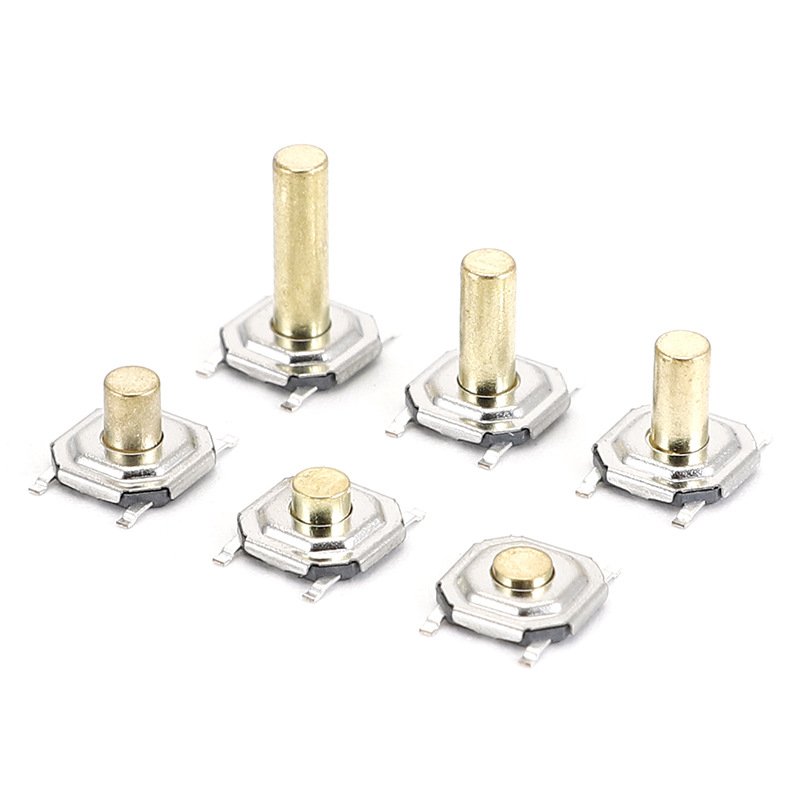
Different scenarios need targeted matching. Miniaturized sensitive models suit compact wearables and consumer electronics, where tiny size and delicate feel matter most. In contrast, industrial controllers and precision instruments prioritize ultra-low resistance and ultra-long life for stable operation.
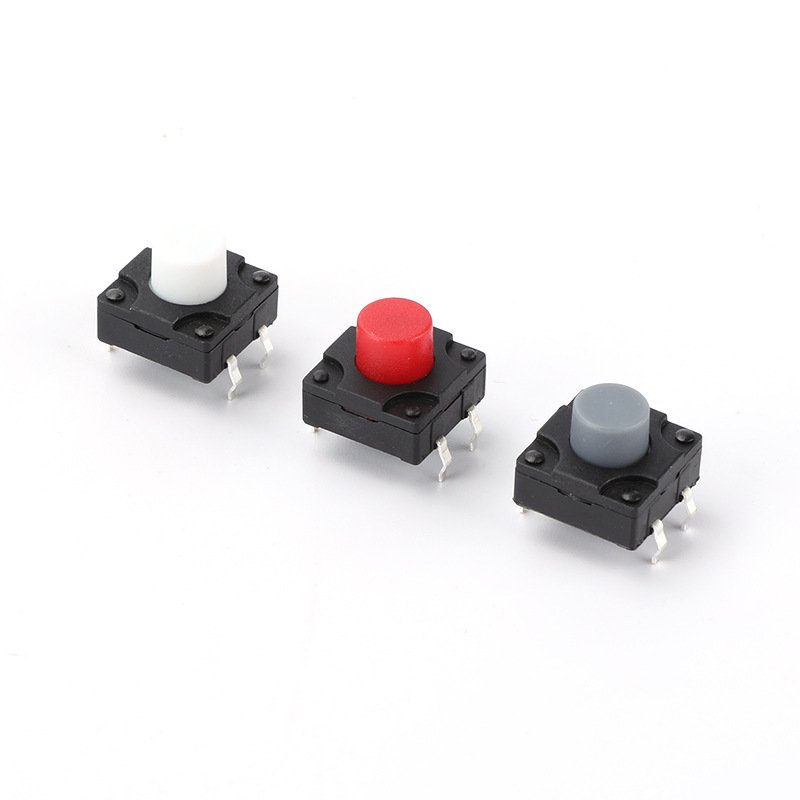
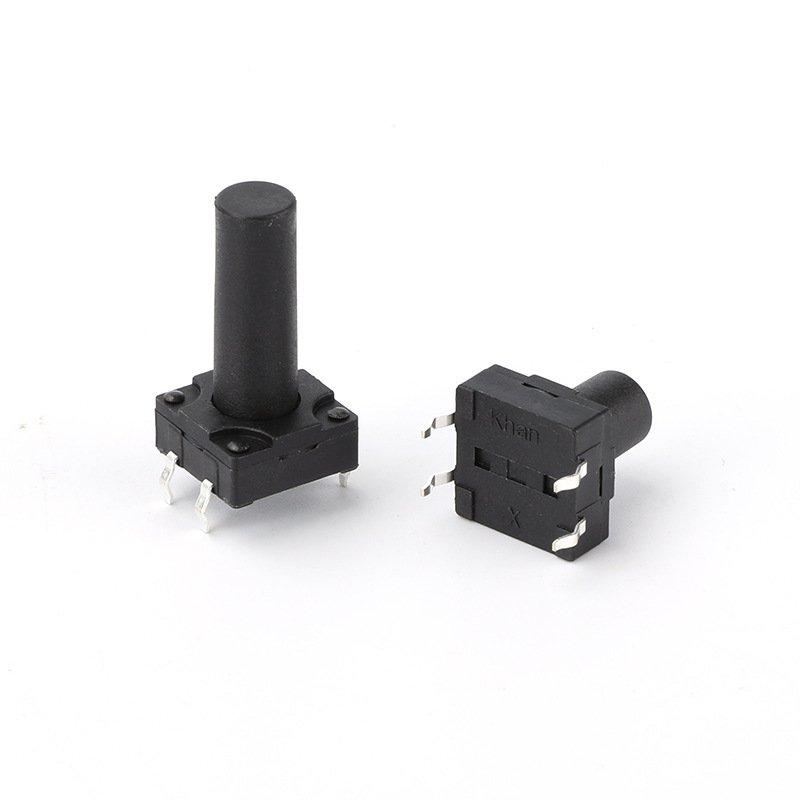
For outdoor and humid equipment, IP67 or IP68 waterproof models resist moisture and dust. Meanwhile, small-batch and urgent projects benefit from flexible domestic supply chains with low MOQ and fast cycles. You can compare the full Tact Switch range to match your scenario.
Tact Switch Procurement in Five Steps
A five-step workflow standardizes buying. First, clarify core demand priorities such as waterproof grade, life, and resistance. Second, screen two or three qualified suppliers by official specs. Third, run sample testing for hand feel, signal stability, and waterproof performance.
Fourth, audit supplier qualifications, checking ISO certification and standardized processes. Finally, start small-batch trial production to validate consistency before large orders. By following these steps, buyers reduce risk and avoid costly rework.
Common Tact Switch Procurement Questions
For contact resistance, consumer electronics need no more than 100mΩ, industrial equipment needs ≤50mΩ, and high-precision medical devices need below 30mΩ. In terms of waterproofing, IP67 supports 30-minute immersion at 1 meter, while IP68 enables long-term underwater use. In addition, a low MOQ does not mean poor quality; stable batch rates and standardized quality control are the real guarantees.
Why a Tact Switch Selection Framework Matters
A clear framework turns vague buying into repeatable decisions. With advanced manufacturing, premium domestic tact switches can match or exceed international brands in life and stability. As a result, engineers gain high-cost-performance options for global production.
Conclusion
Selection is not guesswork. By weighing resistance, waterproofing, life, supply, and cost, you can secure reliable tact switches that fit both performance and budget.
FAQ
Q1: What contact resistance should a tact switch have?
Consumer electronics need ≤100mΩ, industrial equipment ≤50mΩ, and high-precision medical devices below 30mΩ.
Q2: Is IP67 or IP68 better for a tact switch?
IP67 covers 30-minute immersion at 1 meter for general industry, while IP68 supports long-term underwater operation in extreme environments.
Q3: Does a low minimum order quantity mean low quality?
No. Low MOQ reflects supply flexibility; batch consistency and standardized quality control determine the actual quality.