Blog
Smart Tactile Switch Integration: LED Light Pipe and Control Modules

Consumer electronics, automotive electronics, medical devices, and smart industrial terminals all demand more from input components than ever. Users now expect visual feedback, status indication, and dynamic response from the same surface they touch. Traditional tactile switches cannot meet that expectation alone. They are evolving from single mechanical triggers into intelligent, modular, and highly integrated components. This shift reflects both technical progress and the market’s growing demand for added value in switch products.
This article focuses on smart integration for micro tactile switches, with particular attention to integrated LED light pipe solutions. It covers the technical principle, design considerations, and future direction of that approach. Real application cases anchor the discussion, because light guide integration succeeds or fails on structural and optical details. If you specify input components for panels, medical instruments, or industrial consoles, understanding this direction helps you avoid parts that cannot deliver the promised interaction quality.
Why Micro Tactile Switch Modules Are Reshaping Interaction Design
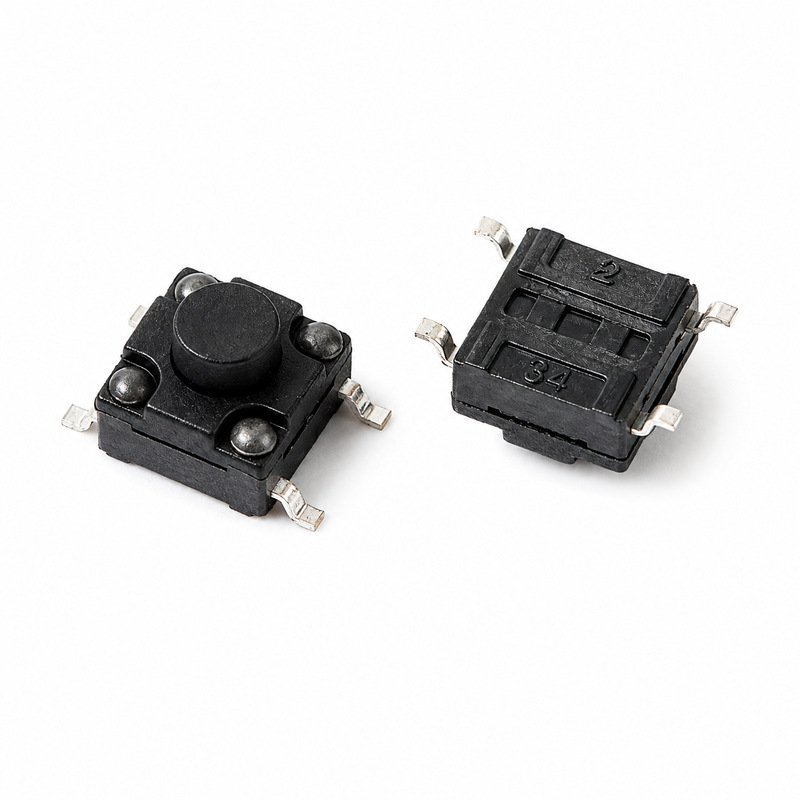
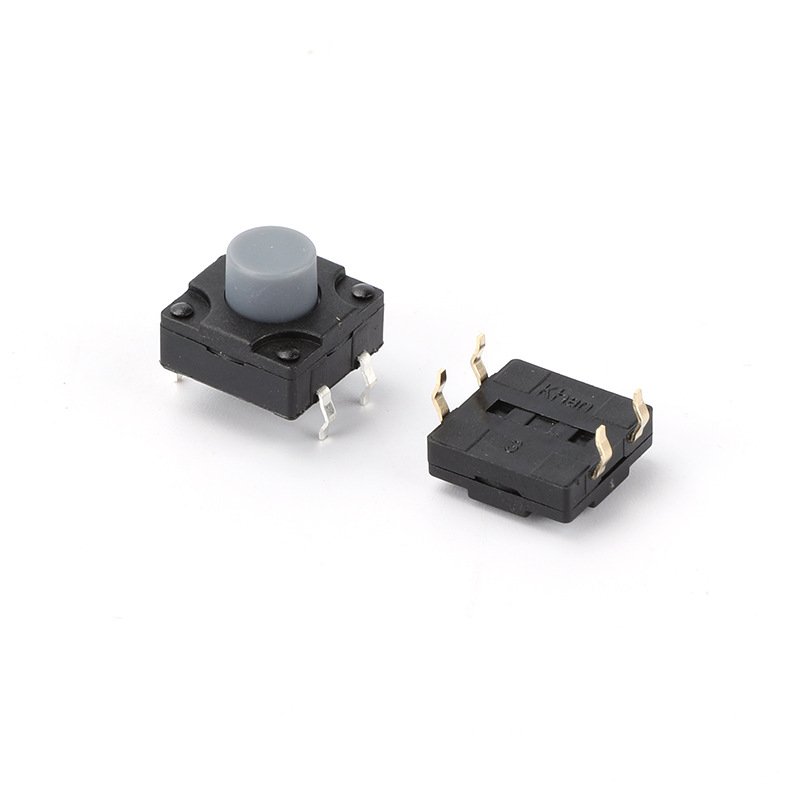
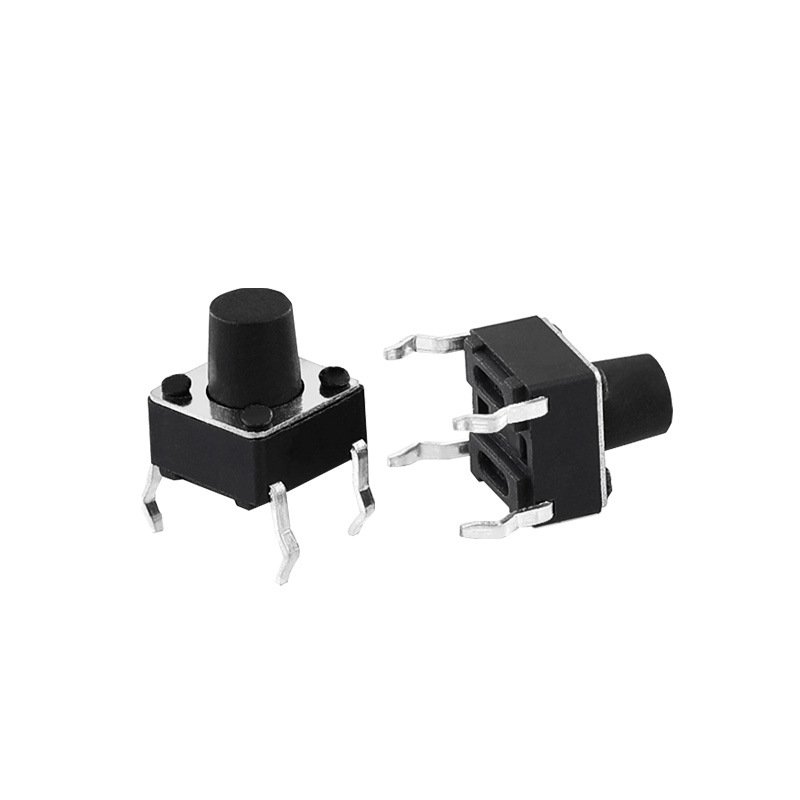
The classic role of a tactile switch is short-travel, fast, and clearly defined electrical connection and disconnection. Its advantages are well established. Feel stays consistent across units, the structure remains compact and simple, and cost control plus volume manufacturing stay straightforward.
Modern terminals, however, need more than mechanical feedback alone. Users want an interface that offers visual feedback, state indication, and dynamic response while blending into the industrial design. That expectation creates a combined requirement: control function with state display, tactile feel with visual aesthetics, and mechanical action with digital signal management. Integrated micro tactile switch module design has therefore become the mainstream approach, and the reasons are easy to trace.
Trend One: Integrated LED Light Pipe Solutions
Technical Principle and Structure
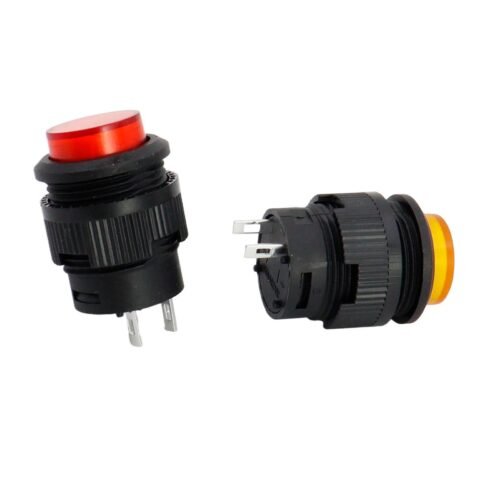
Merging an LED light source into the switch structure and using a light pipe to carry light to the panel is one of the most mature integrated solutions available today. The structure has four main parts. The tactile switch body provides the mechanical press response through a metal dome or conductive film. A surface-mount LED bead, usually a side-view or top-view type, sits beside or above the actuator. A light guide rod or light pipe made from highly transparent PC or PMMA redirects light by refraction and reflection. A diffusion layer or laser-etched graphic layer evens out the output and forms icons or edge halos.
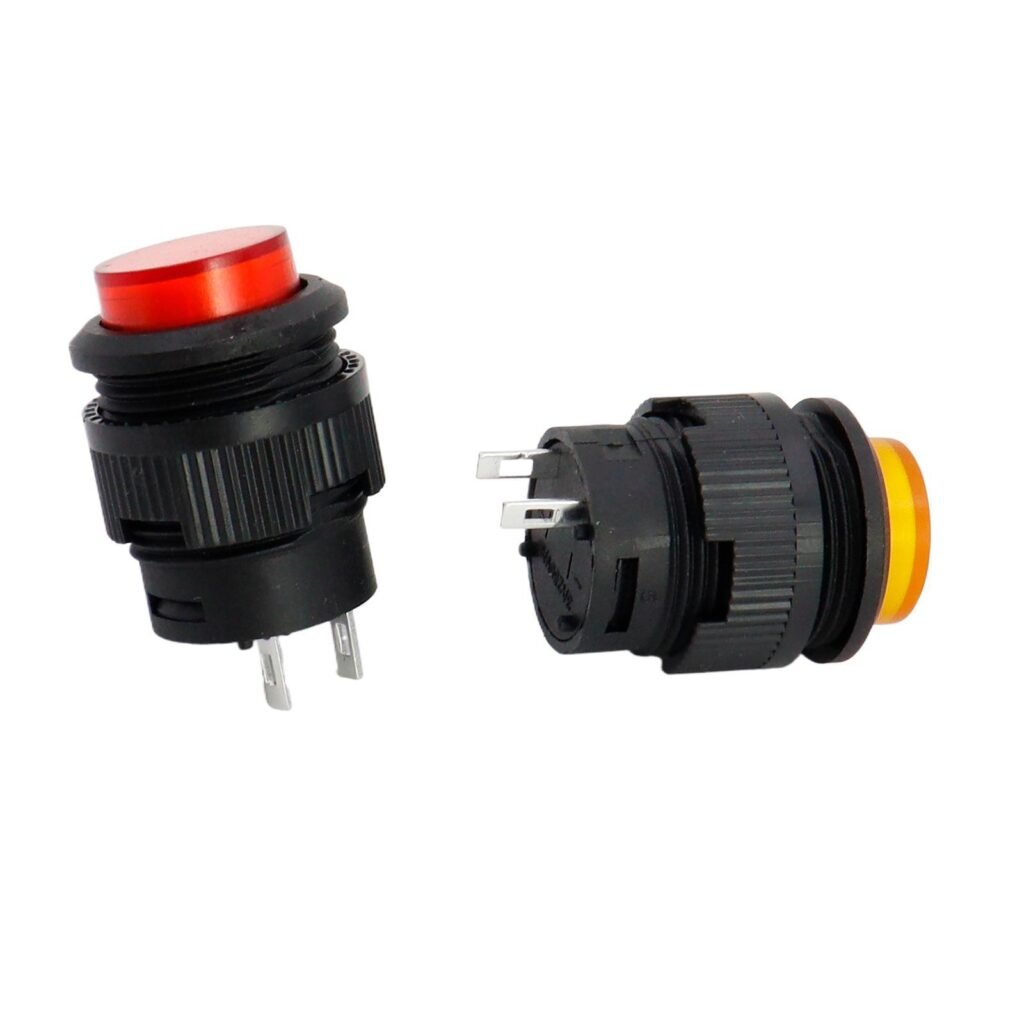
This structure supports several functions. Buttons show state, where a lit indicator means on and a dark one means off. Multi-color backlighting distinguishes modes with red, green, or blue. Dynamic feedback uses blinking to signal a pending response, and aesthetic options include ring breathing lights and illuminated logos. For deeper guidance on indicator options, our analysis of illuminated micro tactile switch trends covers the technologies shaping this segment.
Application Case: High-End Diagnostic Equipment Panel
One high-end blood analyzer integrates twelve tactile switches on its touch panel, and each switch pairs a dual-color LED with a ring-shaped light pipe. The behavior is clearly defined. A steady red light means the module has a fault. A blinking green light means the device is waiting for user input. A steady green light means the operation finished and data is being read. A dark light means that channel stays inactive. Structural integration combined with circuit control turns strongly mechanical buttons into guided, intelligent controls, which noticeably improves the human-machine interaction experience.
Trend Two: Deeper Integration with Functional Modules
Beyond visual integration, tactile switches increasingly merge with sensors, communication modules, and microcontrollers.
Integrated Sensing
A temperature sensor can detect finger contact temperature to confirm a valid press. Proximity or infrared sensing can activate the LED backlight as a user approaches, which saves power while increasing interaction quality. Combining mechanical keys with capacitive touch creates a dual-mode input that raises control precision.
Embedded Control Units
Embedding a microcontroller directly into the switch module enables smarter logic and signal processing. The controller can adjust LED brightness based on ambient light. It can measure press duration to distinguish short press, long press, and double click. It can also link multiple tactile inputs, which frees up IO resources on the main controller. In smart home applications, one multi-function lighting key can trigger scene changes and mode logic without a complex mainboard design.
Trend Three: From Point Switches to Surface Control Areas
Integration is moving a tactile switch from a single key toward a module or an entire panel. Tactile switch key arrays integrate 4 to 16 tactile switches with a backlight system, an FPC ribbon cable, and an EMC shielding layer. These arrays serve vehicle center consoles, industrial control consoles, and instrument panels. Multi-function control panels go further by combining buzzers, LED indicators, tactile keys, and voice prompts in one assembly. They appear in elevator control panels and bedside nurse-call units. Panel-level solutions speed up overall development while improving appearance consistency and product value. For procurement teams, evaluating a micro tactile switch array means checking the light guide, the FPC, and the shielding layer as one assembly rather than three separate parts.
Challenges and Engineering Difficulties
Integration brings clear benefits, yet the engineering path is not simple. The table below lists the main challenges and their causes. These issues require combined design, structural simulation, optical modeling, and electromagnetic compatibility analysis to resolve.
| Challenge | Description |
|---|---|
| Light guide consistency | Differences in LED color and intensity create visible “spot effect” inconsistency |
| Thermal management | LED heat can reduce switch life, especially in small sealed packages |
| Package size limits | Multi-function integration grows PCB area, so optimized stack-up design is required |
| EMC interference | Multi-channel LED control couples with weak signal traces and causes mutual interference |
| Process consistency | Light guide injection precision and position tolerance demand tight control |
Future Directions
Combined Optical, Tactile, Acoustic, and Control Integration
Touch, lighting, buzzer, and control chip will merge into a single smart key module. This combination defines the next stage of integrated input design.
Soft Modular Solutions
Flexible PCBs and soft light guide materials enable curved-surface key solutions that fit wearables and curved household appliances.
AI Edge Recognition
Adding an AI chip allows keys to learn usage patterns locally, which enables habit recognition and mode prediction.
Green and Energy-Saving Design
Lower-power LEDs and higher-efficiency light guide materials support all-day low-energy displays.
Conclusion
A tactile switch looks like a simple component, yet it is undergoing an unprecedented intelligent transformation. It moves from a purely physical controller to an intelligent control node that combines vision, touch, logic, and communication. That integration path is where future product innovation and competitiveness will be decided. For high-end equipment manufacturers, adopting these integrated solutions improves user experience. It also creates product differentiation and brand value that competitors find hard to copy. For background on the component itself, our overview of micro tactile switch features, types, and applications helps teams evaluate these integrated modules properly.